Growing up and living in the Washington, DC area, you’d think I’d be deeply attuned to politics — maybe even drawn to political campaigns and messaging.
The truth is, it’s the opposite. Politics has never been my world, and at times (especially lately), it’s actively exhausting. It’s one of the main reasons I never wanted to do political or campaign-style videos.
Which is why I have to laugh a little when I think about my most recent project.
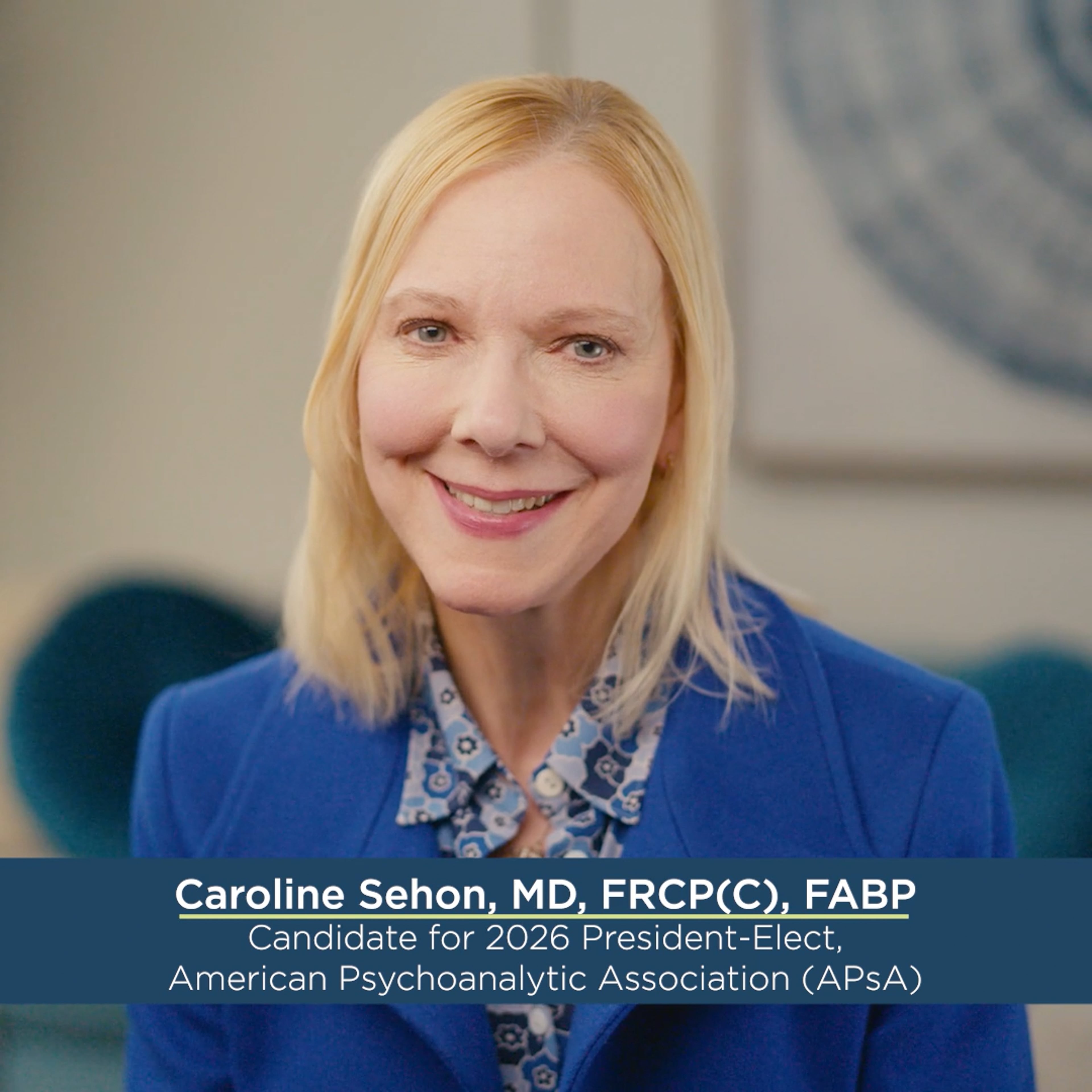
Caroline came to me because she was running for president of a large nonprofit organization. Though not political in the traditional sense, she was still running a campaign within a professional organization. She knew the race would be competitive, and she believed that how she communicated — not just what she stood for — could be an important factor. She cared deeply about the role and was willing to invest in video because she wanted voters to really know her.
I didn’t take the project on because I suddenly love campaign videos (I don’t), or because I had done anything like this before (I hadn’t).
I said yes because I knew exactly how to help her: by making sure she showed up on camera as her most authentic, confident, and human self.
Although Caroline was comfortable speaking in professional and leadership settings, talking to a camera is a very different experience – and often far more intimidating than speaking to a live audience. Her initial instinct was to write a script, memorize it, and deliver it straight to camera. I knew that would work against her. Scripts tend to flatten people. Memorization raises anxiety. And the result usually feels stiff— the opposite of connection.
So we took a different approach.
We talked through the key ideas she wanted to share and broke them into short, focused themes — each one its own video. Instead of scripting, we had conversations. She spoke to me off camera, naturally, the way she speaks to colleagues and peers. My job was to listen deeply and help shape those conversations into clear, compelling stories.
There was just one challenge: we still wanted her to look directly at her audience.
To solve that, we used a documentary technique called the Interrotron, developed by filmmaker Errol Morris. In simple terms, it allows the subject to look straight into the camera while actually speaking to a real person. The interviewer appears through a teleprompter setup, so the conversation stays human — but the eye contact feels direct and personal.
It took her a few minutes to adjust to this unusual format, but as we talked, she warmed up, and her ideas began to flow naturally. I can’t imagine how we would have captured this energy if she’d been reading from a script and staring at the camera.
Over five weeks during the campaign, she shared five short videos on social media, the organization’s newsletter, and her website.
She won the election with nearly 80% of the vote.
I’m not sharing this to pat myself on the back, but as a reminder that people don’t connect to scripts or rehearsed lines. They connect to emotion, authenticity, and sincerity.
If you’re trying to communicate something that truly matters — whether it’s a mission, a vision, or a moment of change — consider a more conversational approach. Sometimes the most powerful thing you can do is simply let people speak and be seen as themselves.