
Some of the most remarkable stories I’ve ever captured were from people who lived through World War II.
Many of the people I interviewed in the early years of my business were born around 1930 — young enough to remember what life was like before, during, and after the war.
Twenty years later, many of those voices are gone, and the chance to hear their stories firsthand has mostly passed.
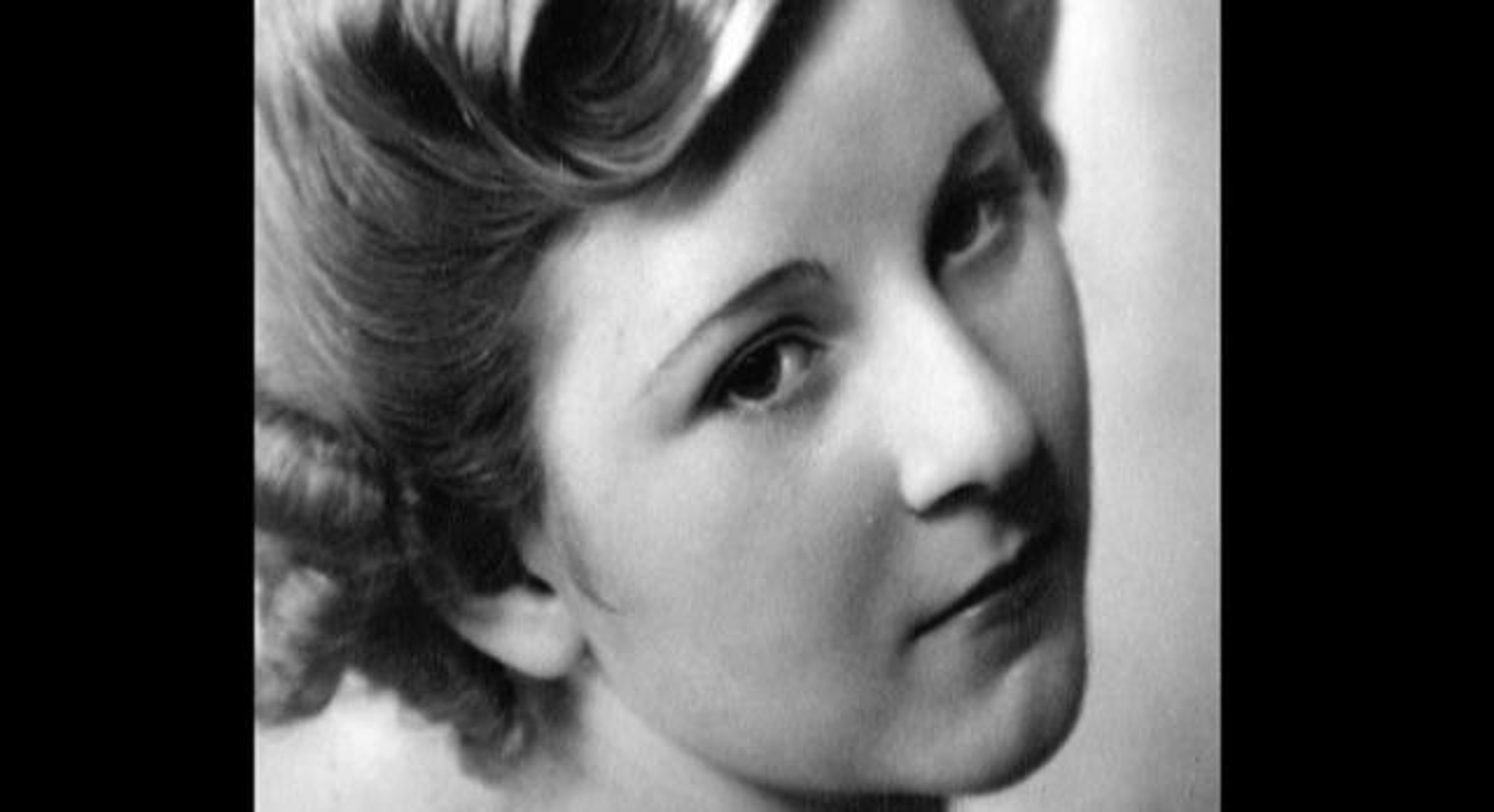
One of my early clients was a woman who wasn’t a Holocaust survivor, but whose life was profoundly shaped by the war.
Regina grew up in Belgium. At 16, she was requisitioned by the Germans and sent to Berlin to work and live in a factory.
Her story – and the twists of fate that allowed her to survive – has stayed with me all these years.
Factory work was grueling, and the food rations were barely enough to survive on. One winter day, the factory lost power, and the workers were given the day off. Regina left with the others to try to find someplace warm. That stroke of luck saved her life.
Later that day, the factory was bombed.
With nowhere to return to, she and two friends fled the city and hid in the woods. For months, they survived largely on potatoes, afraid to travel far and unsure where safety might be found. Bridges were destroyed. Roads were impassable. Stores were gone.
Eventually, when the war ended, she landed in the English section of Berlin. There she found work with the American army and ultimately met the man who would become her husband, beginning the process of rebuilding her life.
Whenever I think about her story, I wonder:
Would I have had that same resilience?
That same determination to keep going?
March is Women’s History Month, and March 8th marked International Women’s Day. It’s a time when I often find myself thinking about the women who came before us and the strength it took for them to endure what they did.
I think about my own family.
My mother, who was raising an infant while my father served in Vietnam, a war that was deeply unpopular at home.
My grandmother, who escaped pogroms in Russia as a teen and arrived in Baltimore without knowing the language or having the opportunity to go to school.
Their stories remind me that resilience often goes unnoticed inside ordinary lives.
And they also remind me how important it is to capture those stories while we still can.
This month, take a moment to think about the women in your own life — the mothers, grandmothers, aunts, and others who came before you. Ask them about the moments that tested them. Ask what helped them get through.
Their answers may be more meaningful and more hopeful than you expect.
And one day, you will be grateful you asked.