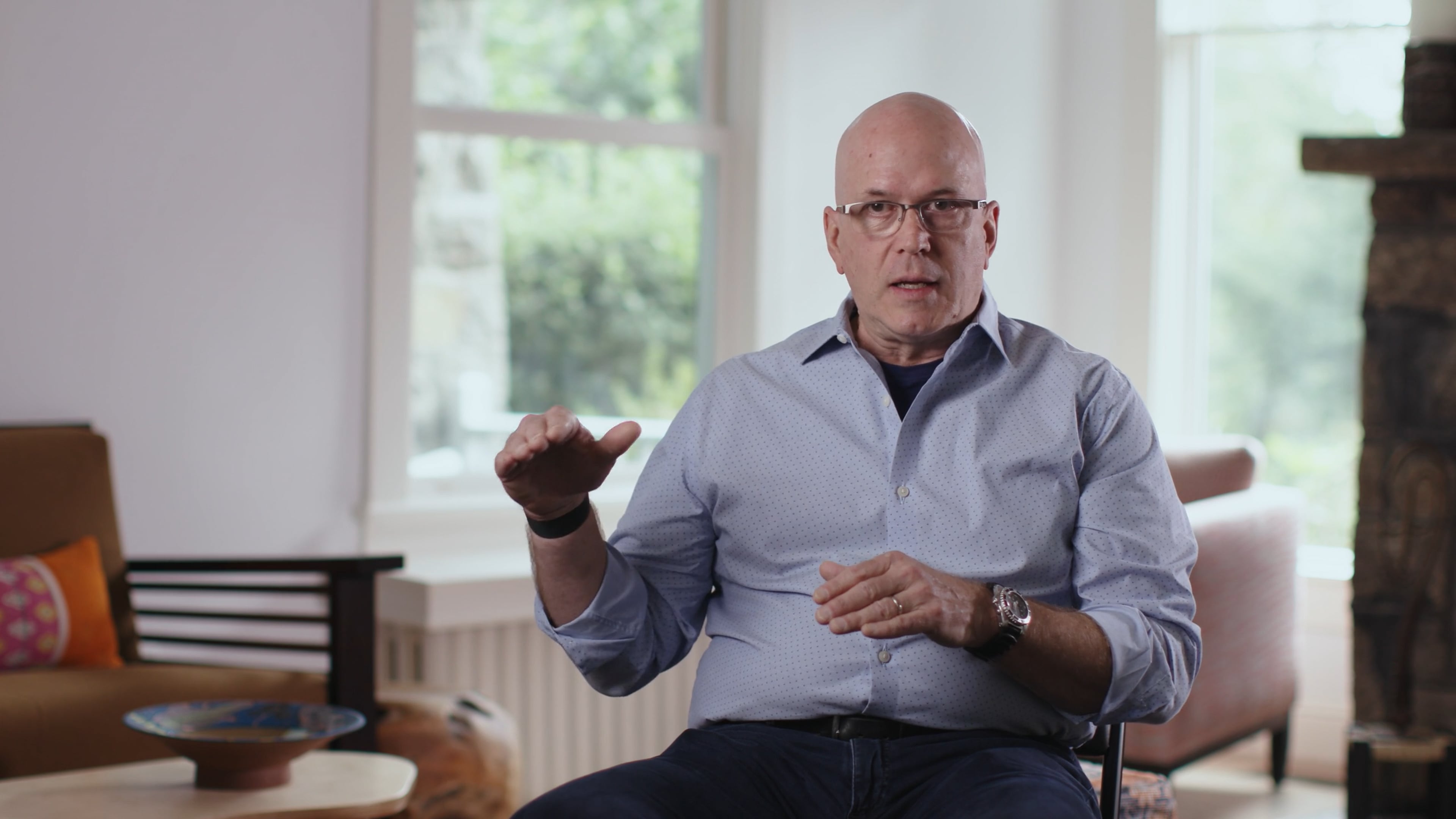
When my son Adam was 6, he developed a mysterious illness and became barely conscious. We were in the emergency room for several hours with a physician who, after multiple tests, shared that he didn’t know what was wrong with Adam, but that “he was the sickest boy in the ER right now.” He ended up in the pediatric ICU for two days. The whole experience was terrifying.
For many years, I would say that I had PTSD (Post-traumatic stress disorder) from that event whenever I would share it.
While this was certainly a traumatic and life-threatening experience, I have learned that though I could have developed PTSD from it, I did not. I’ve realized that many of us tend to overuse this term to describe even minor occurrences, like a waiter being rude or someone cutting us off in traffic.
Our team recently had the privilege of working with the Association of Anxiety and Depression. They are on a mission to educate the public about what PTSD is and what it is not, as well as the causes, symptoms, and – perhaps the best news – how treatable it is with proper therapy.
Part of what made this project so special was how we were able to get three victims of PTSD (a train crash survivor, a career firefighter, and a victim of sexual assault) to open up about their journey and recovery from PTSD. We then intertwined their stories with three subject matter experts.
The videos have resonated with the intended audience and are likely successful for three distinct reasons:
- The client had a clear goal and audience in mind going into the project, and the video series we created aligned with those goals.
- The client found people who could express themselves well and were open to sharing their stories. We were patient in getting to know them and allowing trust to build.
- We were creative with the filming space. Our three survivors traveled to DC on the same day. We shot their interviews and b-roll in different areas of the same home to make it seem like we were in three different locations to feel more realistic and personal.
While many people think of PTSD as only affecting war veterans or sexual assault victims, it can affect anyone who has experienced a life-threatening trauma. PTSD symptoms include:
- Recurring nightmares
- Flashbacks
- Negative thoughts
- Irritable behavior
- Avoidance
If someone you love seems to be going through something hard like this, I urge you to watch the full series, check out the list of resources, and encourage them to get help.
If your organization has something challenging to share and you’d like to raise more awareness, please get in touch. We excel at supporting people to be their most authentic selves while telling difficult stories.