
I recently attended my third Rendezvous with the Purposeful Planning Institute in Boulder, Colorado, and once again, it did not disappoint. It’s an incredibly warm group of welcoming, interesting, and generous people.
I came home with many takeaways, but one thing surprised me – several advisors shared some of the same frustrations I sometimes have working with families. Clients don’t follow up or call back. They take forever to make a decision. Sometimes, they just plain ghost us.
There was even a session devoted to this, led by Cathy Carroll and Melissa Mitchell-Blitch: “The Logic of Inaction: Making Sense of Client Resistance and Helping Them Take Action.”
Then, after I got home, I came across a Mel Robbins podcast that gave me another way to think about inaction.
Her guest was Dr. Joseph Coughlin, founding director of the MIT AgeLab. His team created a suit designed to simulate what it can feel like to move through daily life at age 90. Mel put on a weighted vest and ankle weights, a neck brace, padded shoes, and yellow goggles — all meant to mimic some of the physical changes that can come with aging.
Suddenly, walking took more effort. Balance was harder. Turning her head and seeing clearly were more difficult.
Dr. Coughlin described aging as diminishing capacity over time. Things that once felt easy can require more effort, creating friction, fatigue, and frustration. And when everything takes more energy, it makes sense that we may put things off — even things we fully intend to do.
One of Mel’s first reactions was: “Man, I’m going to be kinder to my parents. I had no idea!”
That really stayed with me.
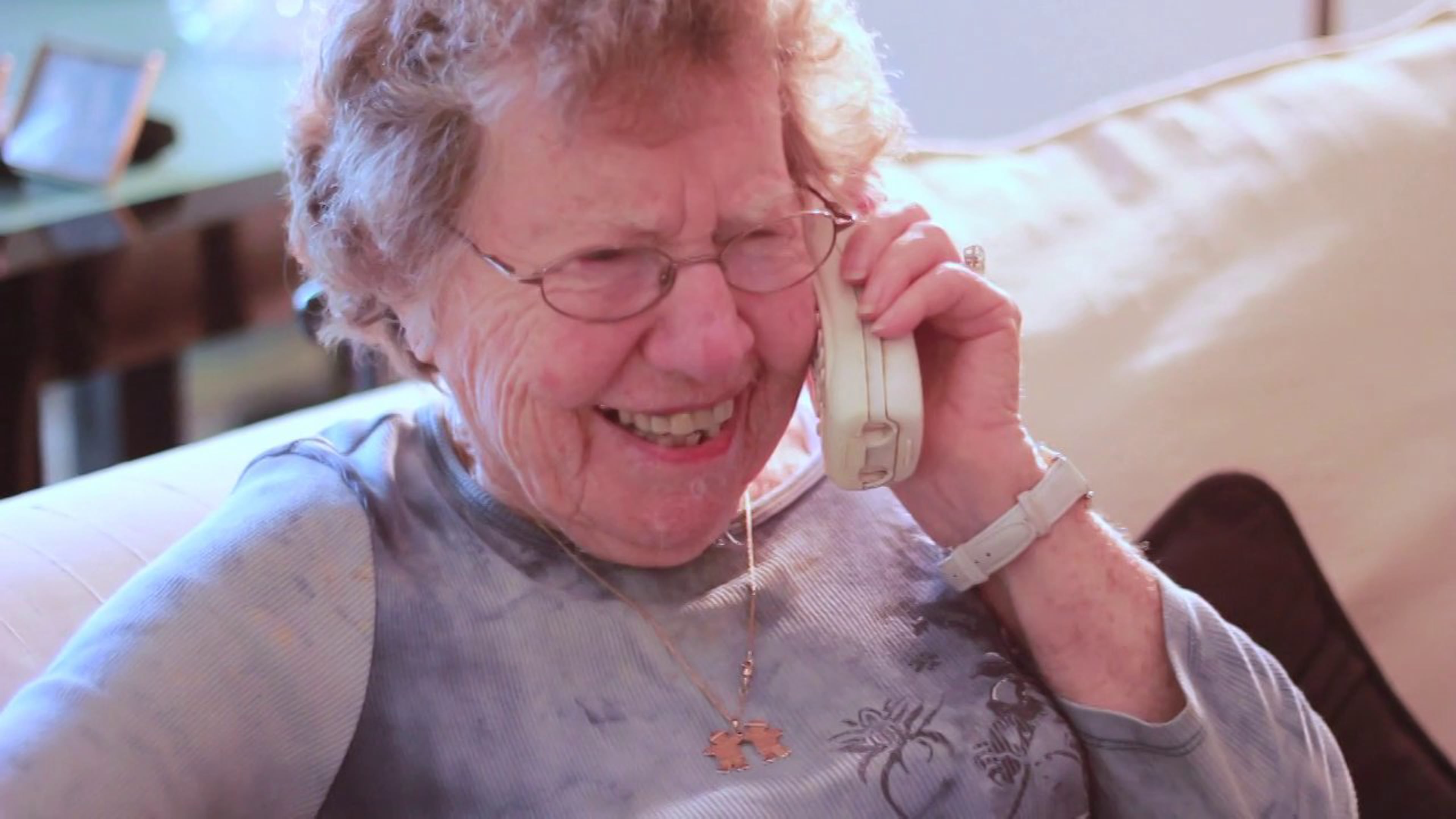
Many of us work with older clients who seem perfectly “fine” on the outside. They may be cognitively sharp and actively engaged. But there can still be invisible challenges we don’t see, and I realized I don’t always take those into consideration.
Maybe what looks like resistance, procrastination, or indecision isn’t always about the decision itself. Sometimes, it may simply reflect the extra physical and emotional energy life requires at that stage.
One of the bonuses for me about working with older clients is interviewing them about their lives. I’m constantly learning from the stories they share — their challenges, successes, mistakes, and wisdom. It sometimes feels like my own personal life class.
So, as you work with older clients, perhaps it’s worth building in a little more patience and breathing room. Give them time to process. Slow the pace when needed. Leave room for a reflective question, a story, or a laugh.
Sometimes helping a client move forward may start with simply understanding what it takes for them to get there.