
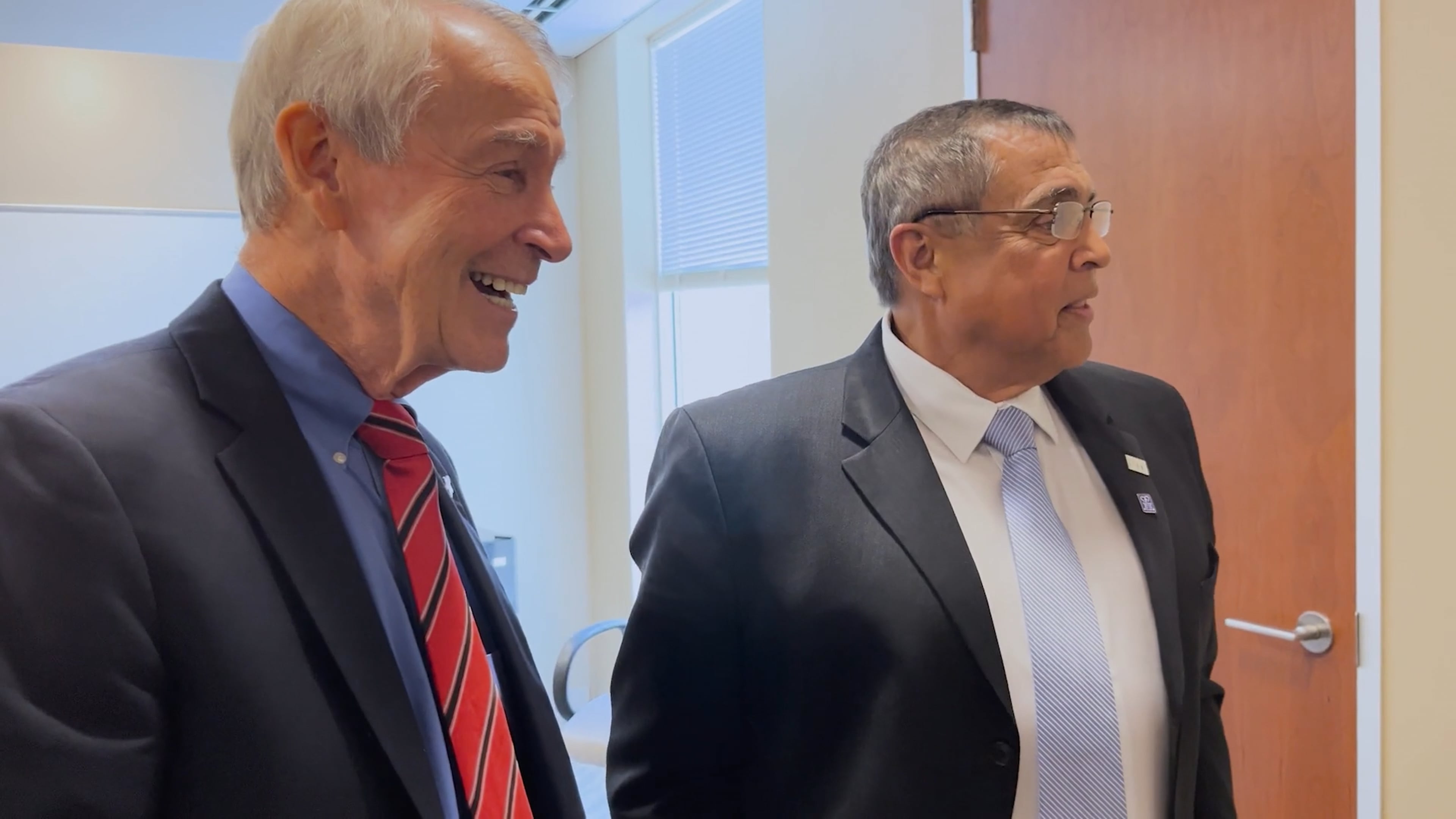
This past month, we’ve been doing a lot of filming for a variety of nonprofits. We traveled to Philadelphia, New Jersey, Annapolis and Silver Spring, Maryland, and Alexandria, Virginia.
While every project and shoot was completely different, one thing struck me across all those filming days: how much producing requires both careful planning and creativity in the moment.
So what does a producer actually do in all these different scenarios?. Besides creating production schedules, planning logistics, and b-roll shots, we also spent a good deal of time in pre-production. We pre-interviewed all of our subjects, took copious notes, and carefully crafted questions designed to bring out the stories and insights we needed.
I was just speaking about this a few weeks ago at the Carolinas Planned Giving Conference – what it takes to create a compelling story. Strong storytelling usually comes down to a few essentials: a compelling character, a challenge to overcome, meaningful change, and a clear objective for what you want your audience to feel or do.
Even with all the planning in the world, there’s often a tremendous amount of thinking on your feet and solving problems creatively in real time on a film shoot.
For example, we recently filmed at the home of one family where our main subject was a 6-year-old brain tumor survivor. We interviewed her mom before she got home from school. Then she walked in with her four siblings and immediately became shy and wanted nothing to do with filming.
At first, we tried filming from a distance, giving her space. It didn’t help much.
So I changed my approach.
I sat down where she was playing and started playing dolls with her. No camera in her face. No pressure. Just letting her get comfortable with me.
Eventually, I realized one thing she was comfortable with was being on a phone. So I interviewed her and her sister using my iPhone while my sound person stayed nearby, capturing quality audio. Suddenly, we had authentic moments we never would have gotten by pushing harder.
For another shoot, we had seven interviews and were presented with one very boring conference room. Since this was a donor-focused video with many interviewees involved, I asked whether anyone might be willing to lend their home for filming.
As it turned out, a wonderful donor let us use her house for the entire day.
She had wide open spaces and room for us to create several different visual looks throughout filming — making the final video feel far more engaging and dynamic than having every interview take place against the same conference room wall.
Sometimes creative problem-solving isn’t about people — it’s about production constraints.
This film, which we created for the National Association of Community Health Centers, was no different. We were filming multiple interviews at a conference in San Diego, with limited backdrop options and very little b-roll to capture.
So we created a simple white backdrop that we could later match to interviews filmed in Bethesda to create consistency across filming locations.
Fortunately, the organization had thoughtfully collected photos over the years — assets that became critical to making the story feel personal, relevant, and visually engaging.
Great storytelling doesn’t happen by accident.
It takes planning, preparation, flexibility — and sometimes solving problems you never saw coming.
Because the camera is only one small piece of creating a meaningful story. Often, the real work happens long before filming begins — and in the unexpected moments along the way.