
With the end of the school year and so many graduations this month, I have older teens on my mind.
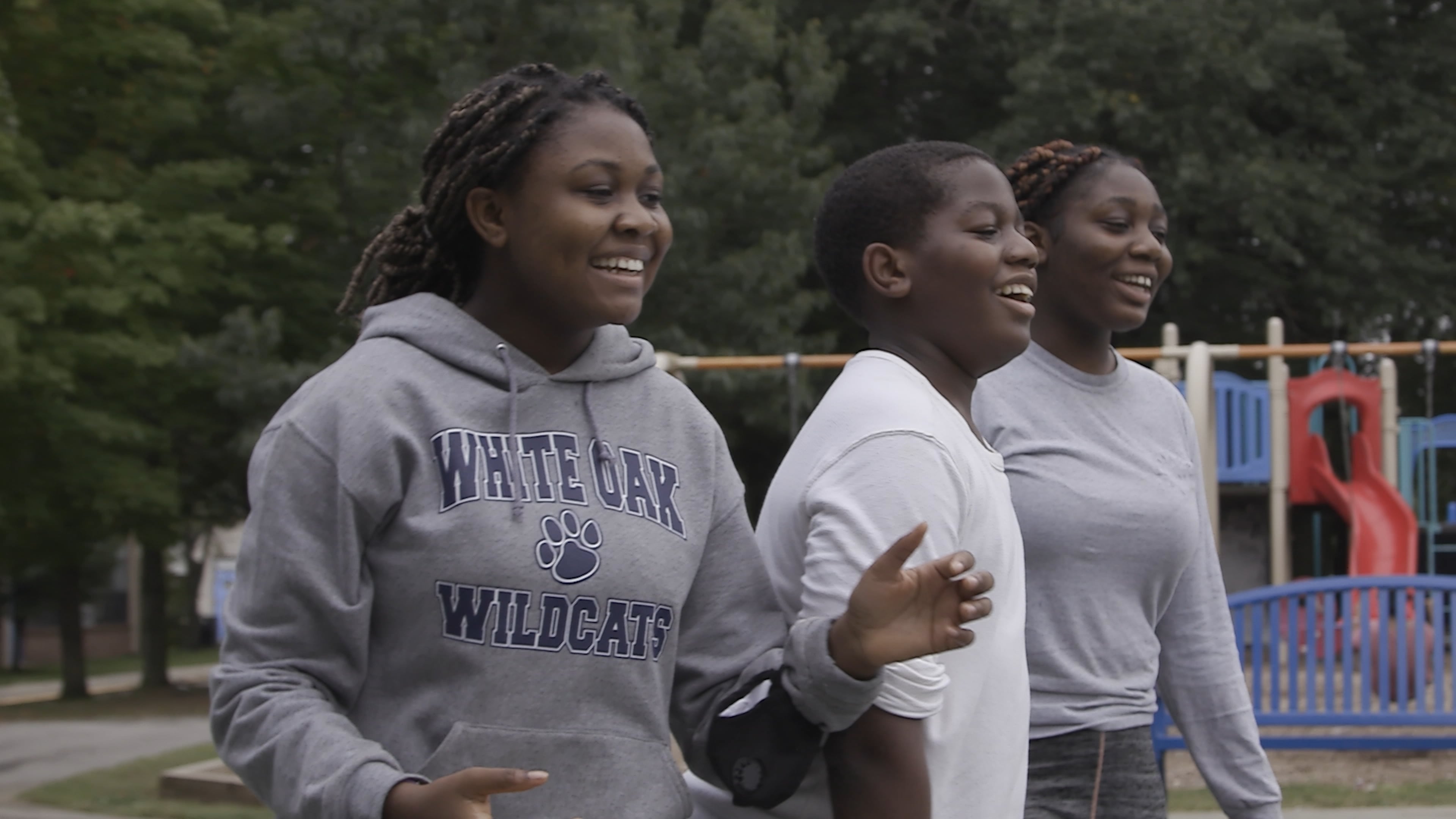
Last October, we filmed a video for the nonprofit Community Bridges that focused on two teenage sisters. Hadassah was starting her senior year of high school, while her older sister, Just Love, had been a freshman at McDaniel College for six weeks. We wanted to hear how CB helped them with their journey to college.
Whether you’re interviewing a teen or an adult for a video project, there’s an art to asking questions that produce great answers.
How did we get such natural and heartfelt stories from these two teen girls? Here are some of the things we did:
1. It starts with establishing a relationship and building trust.
I was fortunate to have met both girls a few years earlier for another video, so I built on that previous engagement to deepen our relationship. I had phone conversations with both of them before the shoot, and what helped our interactions the most was that I was curious and cared about who they were and what was going on in their lives, whether it was related to the video or not. I let them talk and really listened to what they had to say.
2. Be confident in your questions.
For the recorded interview, I asked easy questions to get them comfortable but didn’t shy away from harder questions that made them think later. Asking those thinking and feeling questions is key to getting emotional answers. Be kind but don’t be so polite. Be direct and ask the question everyone wants to know the answer to.
3. People love to tell stories.
Asking for a story or vignette to illustrate a point or thought is another way to get to unexpected emotions, especially if you already know of specific stories from that person’s past. For example, Hadassah wants to be an actor, and her first experience on stage was with Community Bridges. Having her think back to that time and asking her to remember how she felt in that moment helped us go deeper with her and find where that spark for acting came from.
4. Don’t be afraid to prepare.
Some people think having a printed list of questions in front of you makes an interview less conversational. As someone who can’t remember much from 10 minutes ago unless I’ve written it down, I feel more comfortable having my list of questions and notes in front of me. However, I use my list as a guide. New thoughts and ideas always come up when the camera is rolling, even if I’m asking a similar question from our pre-interview. Instead of thinking about the next question to ask, I listen to the answers and ask follow-up questions based on their response, maybe asking something neither of us was prepared for based on the answer.
5. Ensure it’s a conversation.
Above all, I try to make sure that the interview doesn’t feel like an interview at all, but like two people talking. We’re facing each other, so the interviewee is looking at me, not the camera. They are assured that there are never any wrong answers in this conversation. It feels personal and relaxed, and the interviewee knows that we can stop the camera at any time if we need to.
Do you have an upcoming project and need to get heartfelt interviews? Please get in touch with us – we love getting people to open up on camera!